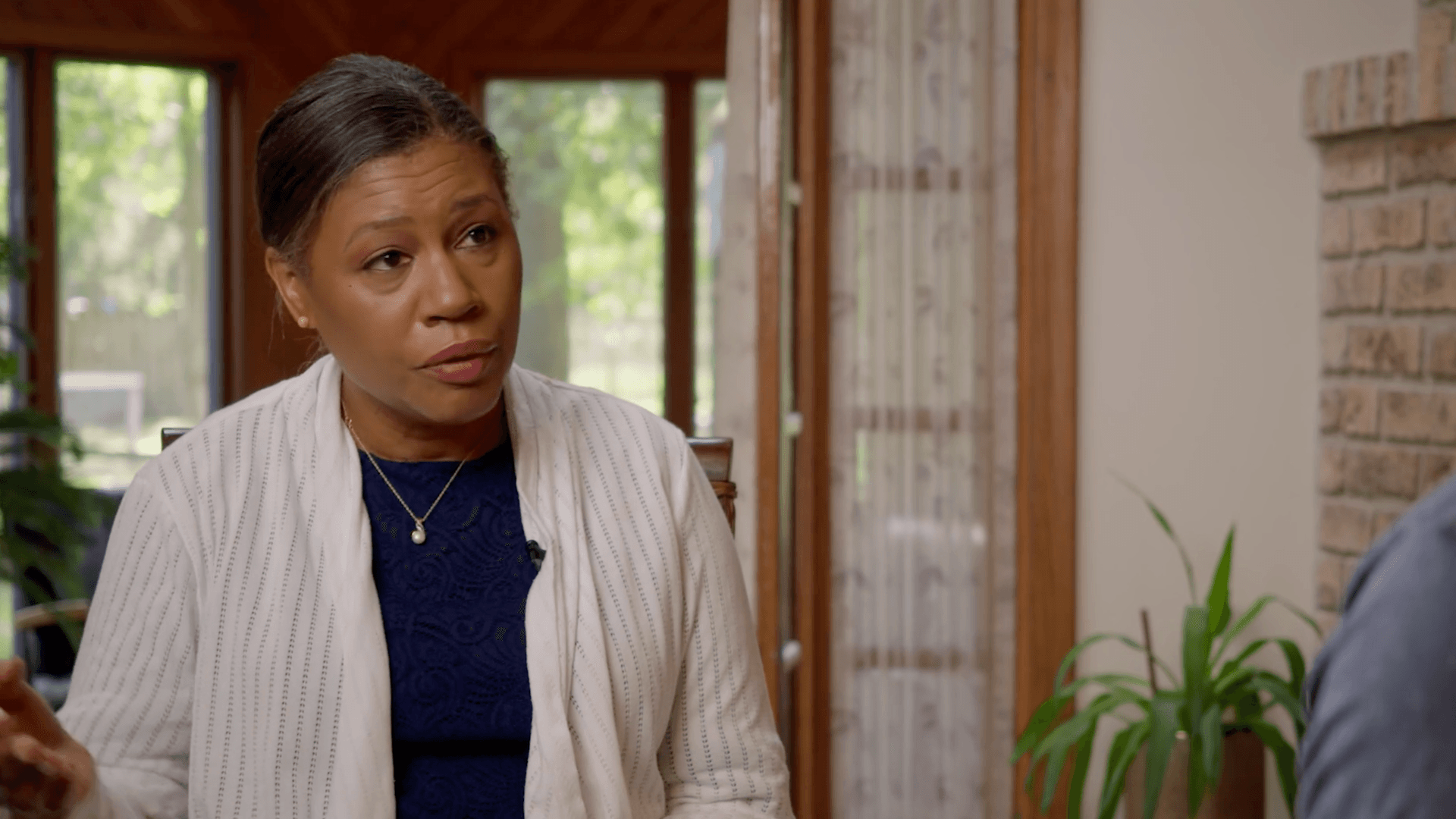

So we've got a treatment plan started. Okay? And what I, you know, just to tell you a little bit about depression, we have lots of theories about why people get depressed. You know, some of it you're really familiar with. You watch the commercials just like I do and you see the medications. So that's all about the biology. Right? We're talking about what we call neurotransmitters and all kinds of fancy words. Right? That just is really saying that the chemistry of your brain is not where it needs to be.
And so there's medications for that. We'll talk about those medications and how they work and whether they might be a good idea for you or not. So that's one set of theories. But the truth is even talking, like you and I are talking right now, our brains are changing. Every interaction people have with each other, our brains change and chemistry in our brain alters. So even just talking alters your brain chemistry. Alright? Another theory about depression is that the reason people get press is because they've got such a low rate of reinforcement from their environment, meaning the environment isn't pretty rewarding at all.
Very low amounts of reward from it. And we find that depression itself makes people wanna kinda sit still and not do anything. Right? And even people who do feel restless, they're still not compelled or motivated to do anything. And so what we do is behavioral activation. So we do some activity planning, and we found that to be really effective. It's a lot of research demonstrating that it can be really effective.
Right? Another theory about depression is that it really is the result. Of thinking about things in a way that might have some errors in it that people feel really sad when they focus on their losses. And for you as an ex marine. That's a tremendous loss. That camaraderie that you had in the military was amazing. They always had your back. You had a built in family there that was respect.
You all had a common mission. You knew what the mission was. You knew what to do. People treated you a certain way. And so you kinda lost that when you came state side. There's a lot less structured state side than when you're stationed. Wherever you were stationed. So that's a big loss. And then when you came home, you already had a vision of what it would be like to be home.
And that vision didn't come through. And so that's a loss. And then you've had this this loss of this sense of yourself. And your-- your role in the world, your purpose, your meaning. That's another big loss.