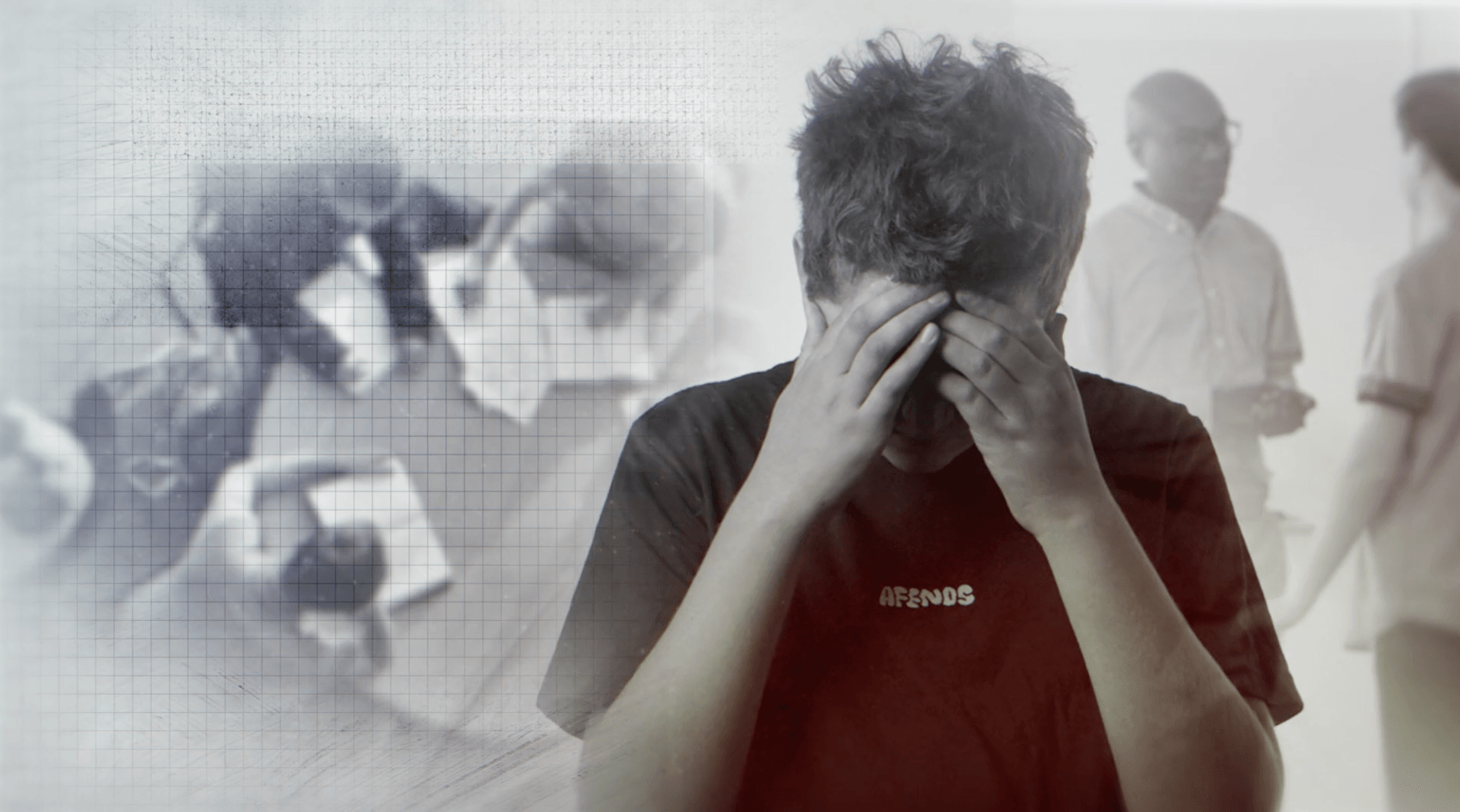
Treating Self-injury
Gain knowledge and skills to confidently and effectively treat mild to moderate Non-suicidal Self-injury and to manage severe presentations of this frequently misunderstood behavior.
Gain knowledge and skills to confidently and effectively treat mild to moderate Non-suicidal Self-injury and to manage severe presentations of this frequently misunderstood behavior.

Non-suicidal self-injury is a frequent presentation in clinical practice, particularly among adolescents and young adults, yet it often evokes strong reactions and uncertainty in clinicians about how to respond. Is this self-injury or suicidality? What needs immediate action? What can be managed in outpatient or school-based settings? What actually helps?
This pragmatic, easy-to-complete course featuring leading international authority Dr. Barent Walsh will give you the confidence to skillfully assess, manage, and treat self-injury presentations using evidence-based principles. With lived experience interviews with real patients and expert therapy demonstrations, this course will give you the tools to:-
Identify and assess the self-injury, and differentiate it from suicidal behavior
Support clients with best practice strategies grounded in the theories of Cognitive Behavior Therapy (CBT) and Dialectical Behavior Therapy (DBT), tailored to address the specific function of each client’s self-injury
Manage risk appropriately so you can feel clear about your scope of practice
Skillfully navigate setbacks in treatment while protecting your own wellbeing as a clinician
In less than a single day (just four hours) of self-paced learning, you will have a clear framework you can apply straight away to address the nuances of this often complex presentation.
“Underneath it all, there are often layers of human experience that contribute to the emotional discomfort that requires self-injury, and over time, the client starts to peel them away, until you get to the heart of the matter.” Dr. Barent Walsh
This course is taught by Dr. Barent Walsh, a leading authority on non-suicidal self-injury and related self-destructive behaviors. He is the author of the bestselling Treating Self-Injury: A Practical Guide, the executive director emeritus of Open Sky Community Services, and a teaching associate in psychiatry at Harvard Medical School. He also has specialized expertise in the treatment of atypical, severe non-suicidal self-injury. Dr. Walsh’s warm and practical teaching style is characterized by a deep respect for patients and their suffering.
You’ll also hear from a panel of expert teachers and practitioners in the area of self-injury who offer clinically applicable insights drawn from up-to-date knowledge of evidence-based treatment, as well as their own real-world expertise.
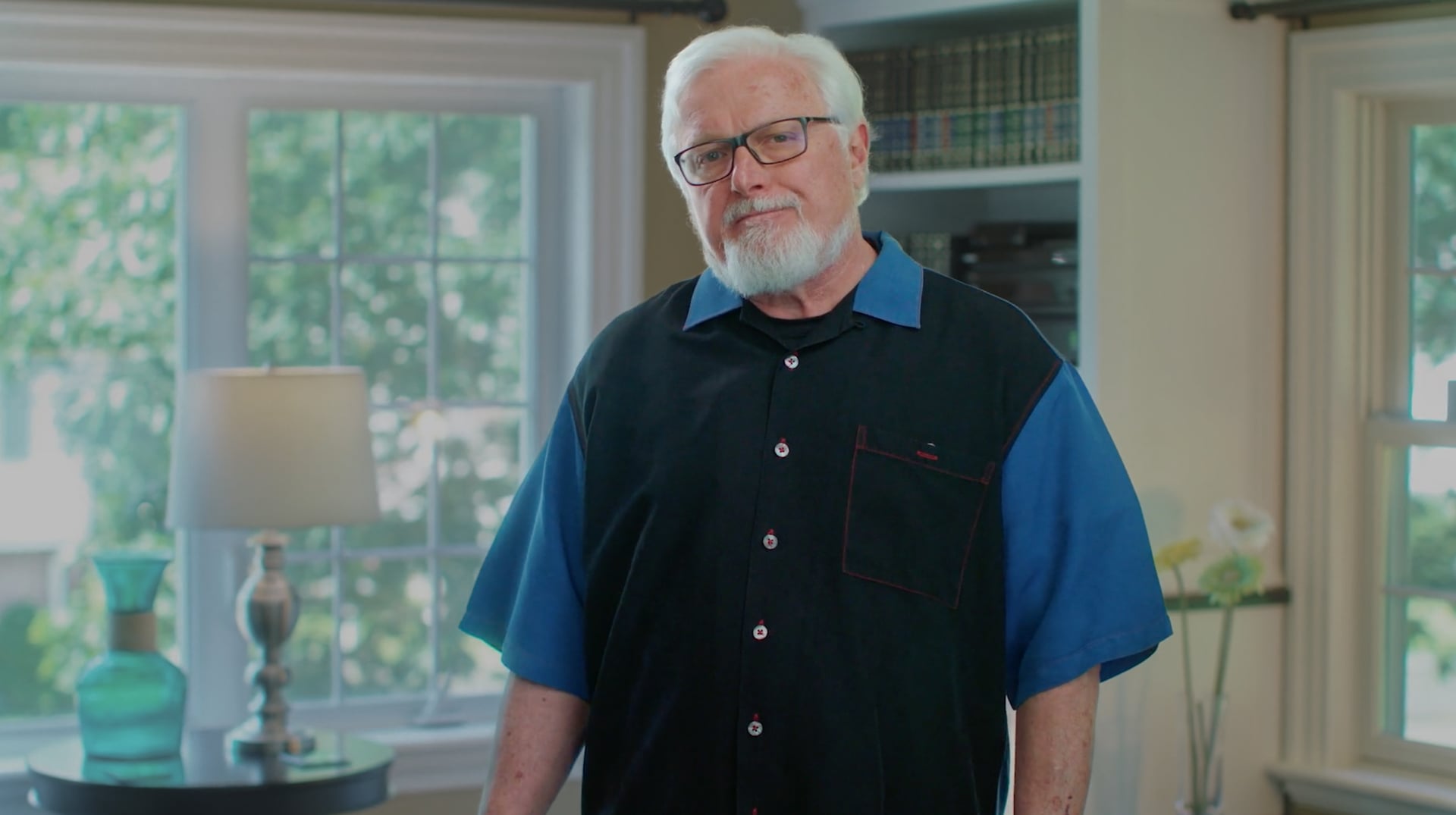
This course is designed for psychologists, counselors, social workers, psychotherapists, and other mental health professionals working with adolescents or adults who engage in non-suicidal self-injury.
It may be especially valuable for:
School counselors and school psychologists seeking guidance on assessment, risk, social contagion, prevention, and what can be managed within school settings
Private practitioners and outpatient clinicians wanting greater confidence in assessing and treating self-injury and knowing when and how to refer on
Early career clinicians looking for structured, practical training in an area that often evokes uncertainty
By the end of this course, you’ll have the tools to:
Identify non-suicidal self-injury and assess its severity and function
Understand why people engage in non-suicidal self-injury, including how self-injury differs from suicidal behavior
Assess more severely affected clients, and refer on to other suitable treatments if necessary
Treat mild to moderate self-injury using strategies such as distraction, mindfulness, and visualization drawn from CBT and DBT frameworks
Walk the line between validating self-injury and condoning it
Navigate setbacks in real-world treatment
Overcome the anxiety that can come with treating self-injury
Know the steps to take to maintain your own self-care and to prevent compassion fatigue
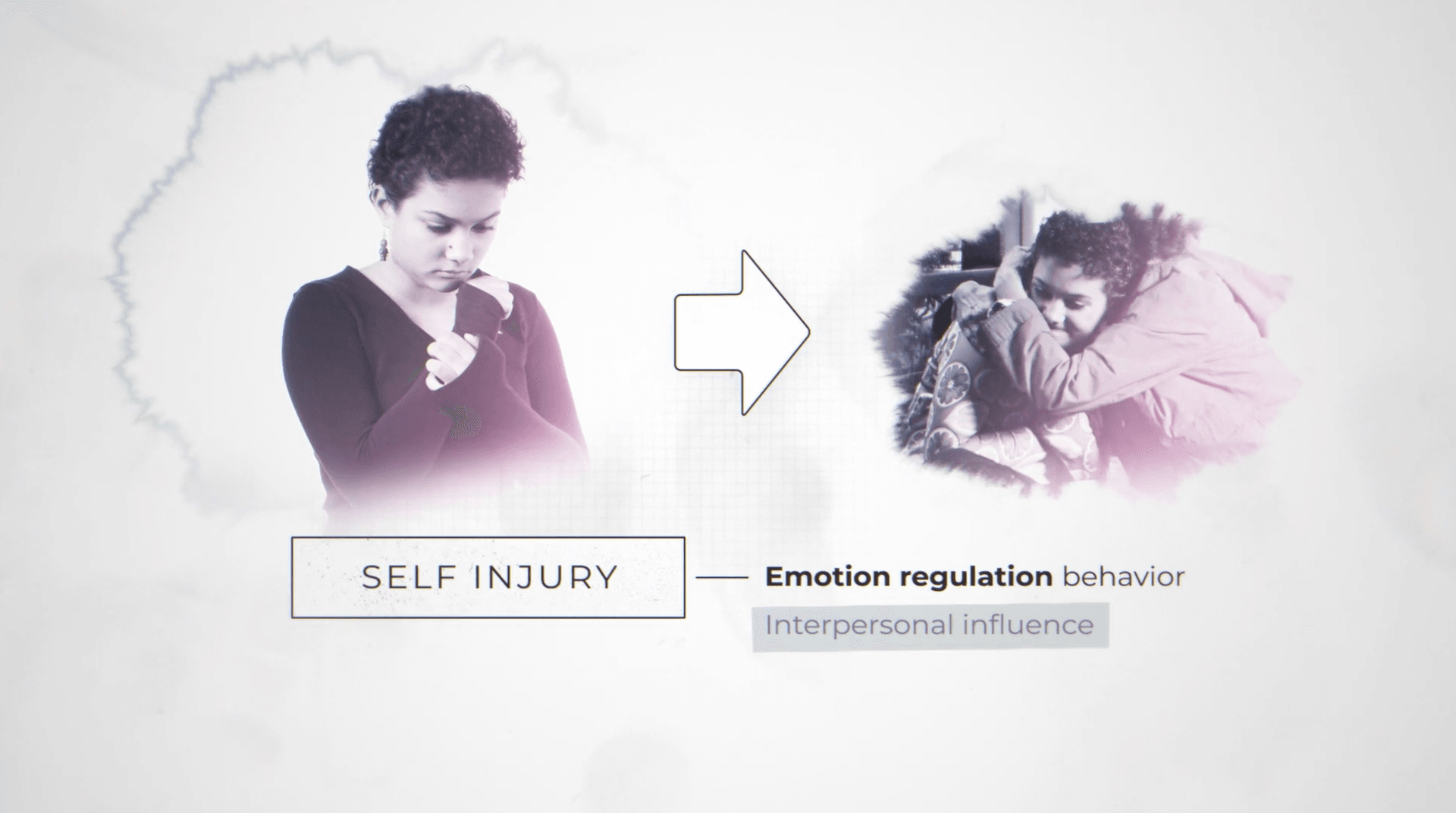
This course addresses the specific challenges that clinicians often encounter when working with self-injury. This includes issues like:
How to assess when self-injury may require escalation to emergency services (and when it doesn’t)
Recognising specific red flags indicating escalation and severity of behaviour
Skills for reducing clients’ sense of rejection when referring on is necessary
When and how to assess wounds or scars in a clinically appropriate way
How to validate the function of self-injury for the client while still working to reduce the behavior
Why removing means of self-harm is not the same as removing means of suicide
Specific guidance for school counselors and therapists working with young people, including the unique challenges of social contagion Comment end
This self-paced course includes:
Ten modules comprised of four hours of content related to the assessment, management, and treatment of self-injury, including modules relating to social contagion, setbacks, and therapist self-care
Direct teaching from Dr. Walsh and a faculty of international experts in self-injury
Therapy demonstrations of each stage of treatment, including assessment, teaching specific coping skills, and referring on complex cases
12 months of access to review the material at any time
If you would like to request an invoice, please fill out a form here.

Introduction to Non-suicidal self-injury (NSSI)

Welcome to the course

Lived experience: introduction

Meet the experts

What is self-injury?

Classification of self-injury

Expert interview: the function of self-injury

Lived experience: emotions

Quiz questions (CE)
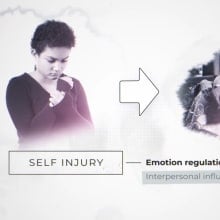
The function of suicide vs self-injury

Pay attention to the method
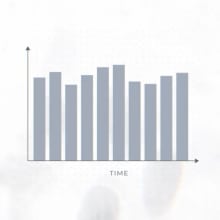
Frequency

Means safety
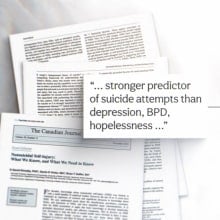
Empirical link

Lived experience interview: suicide
Expert interview: suicide

Summary
Quiz questions (CE)

Lived experience: attention seeking

Compassionately dispassionate

Respectful curiosity

Checklist for direct and indirect self-injury

Role-play: compassionate curiosity
Using humour

Role-play: session with Alicia

Lived experience: building relationships

Wrap up

Expert interview: validation and identity
Quiz questions (CE)

Introduction to assessment

Antecedents one

Antecedents two

Antecedent example
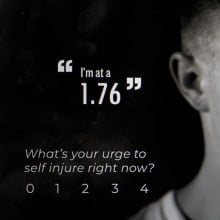
Urge charting

Roleplay one: wounds

Role play two: wounds

Lived experience: scars and wounds
Quiz questions (CE)

Lived experience: experience of self-injury

Does it hurt?

Roleplay: does it hurt?

Hidden vs exposed

Use of tool: time of day

Words incised
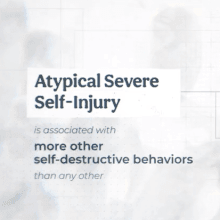
Atypical severe NSSI

Role-play: foreign body ingestion part 1

Role-play: foreign body ingestion part 2
Quiz questions (CE)

Expert interview: motivation to change
Cyber space

Consequences of self-injury

Role-play: consequences of self-injury

End of assessment

Role-play: end of assessment

Role-play: short term therapy

Intervention story

Summary
Lived experience: do you want to stop?
Quiz questions (CE)

Expert interview: self-injury in schools

Social contagion
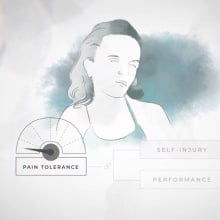
Example and group recommendations

Role-play: social contagion

Reinforcing social contagion

Lived experience: schools
Lived experience: therapy

Treatment
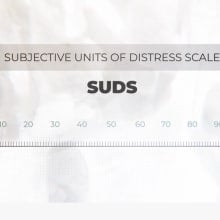
SUD scale

Distract skills
Mindful breathing
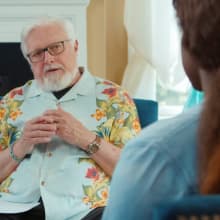
Role-play: mindful breathing - SUDs
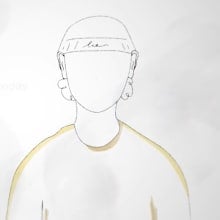
Flexibility with mindful breathing

Visualization
Role-play: visualization

Matching skills to clients

Role-play: introducing DBT
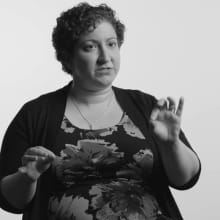
Expert interview: DBT replacement behaviors

Lived experience: DBT
Quiz questions (CE)

Negative replacement behaviors
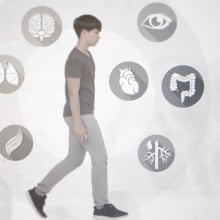
Vigorous exercise

Artistic expression
Phone apps
Reviewing replacement skills
Role-play: reviewing replacement skills
Relapse

Expert interview: setbacks and recovery

Lived experience: hospitals

Expert interview: DBT treatment

Role-play: introducing DBT

Expert interview: DBT replacement behaviors

Lived experience: DBT
Quiz questions (CE)

Introduction

Self-care

Relationships

Support for practice

Provider resilience app

Pacing of clients

Wrap up
Quiz questions (CE)
This Treating Self-Injury training is designed for mental health professionals worldwide. Upon completion, you'll receive an official certificate that may be submitted to relevant registration or licensing bodies for continuing professional development, where applicable.
4 CE/CME credits are designated for a range of licensed mental health professions, including:
psychologists, social workers, counsellors,
physicians, nurses,
marriage and family therapists,
addiction professionals.
Acceptance for other professions may vary by board and jurisdiction. View the complete CE/CME accreditation details and board approvals here.