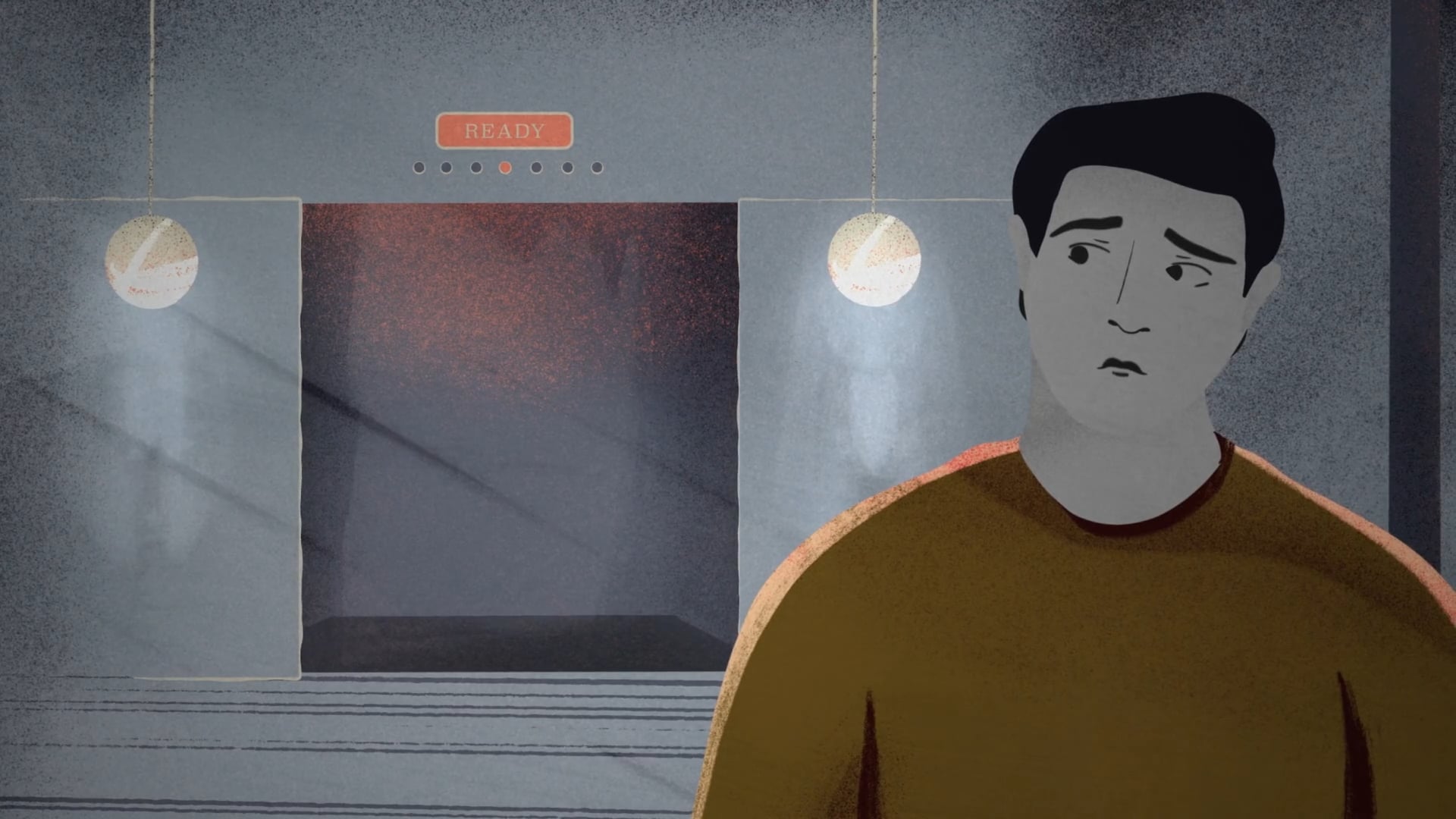

We also typically use behavioral experiments in the treatment of panic. And behavioral experiments can be thought of as cognitive strategies, or they can be thought of as behavioral strategies. They're kind of on the fence. So here's an example of a behavioral experiment that I might use with panic disorder and agoraphobia. It's not unusual for me to see clients who are afraid of riding elevators.
And often what they're afraid of is that they'll get stuck in an elevator. And if that were to happen, they won't with a cope. So one thing that I've done with people as a behavioral experiment is to see if we can purposely get somebody stuck in an elevator. With some elevators, you can simulate getting stuck between floors by putting the elevator on service. So I'll sometimes talk to the security guard and the building that we're in, see if we can kind of borrow an elevator for an hour, put it on service.
And when an elevator's on service, if you're not pressing the button, it stops moving, even if it's between floors. At least some elevators do that. So we can create an experiment to test out that belief that if the person were to get stuck between floors on an elevator, they wouldn't be able to cope. So in these cases, using behavioral experiments ultimately changes people's beliefs, whatever predicting is going to happen, doesn't happen, and that weakens the prediction. And what that does is ultimately change the anxiety. So they're less likely to be anxious less likely to panic next time they're in the situation.
So those are some examples of how we might use cognitive strategies to change people's negative thinking about their physical sensations, the predictions that they make about those sensations, the beliefs that they have, that those sensations are dangerous.